Lower margin trimmed for display; original photograph at source.
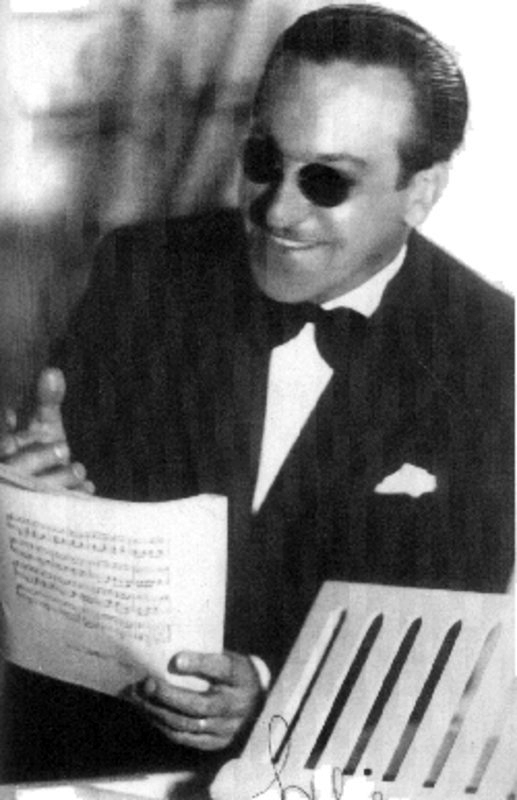
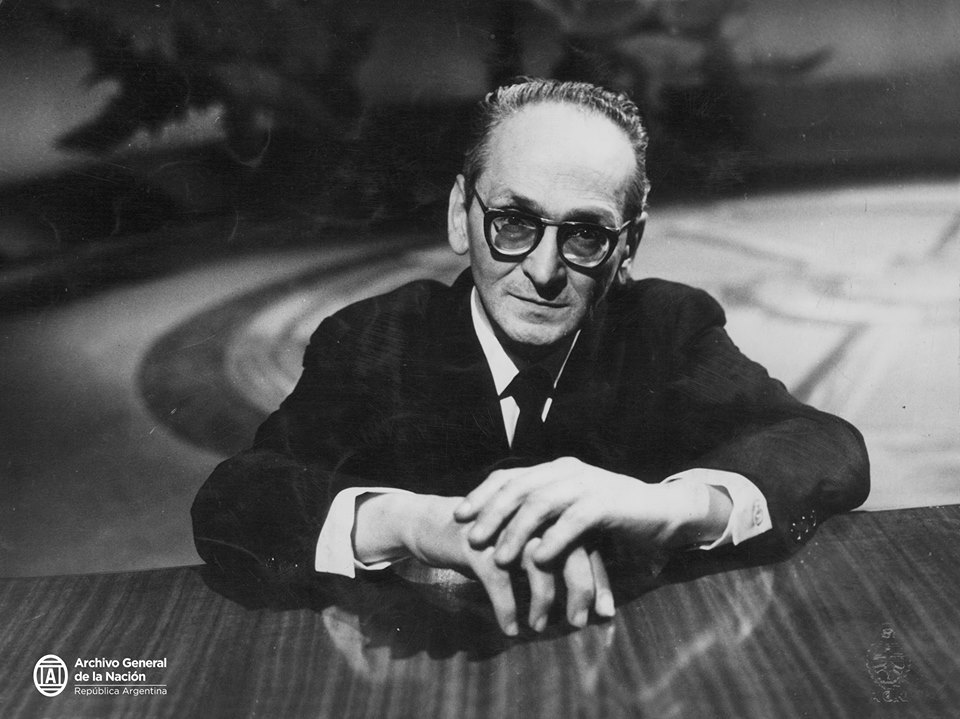
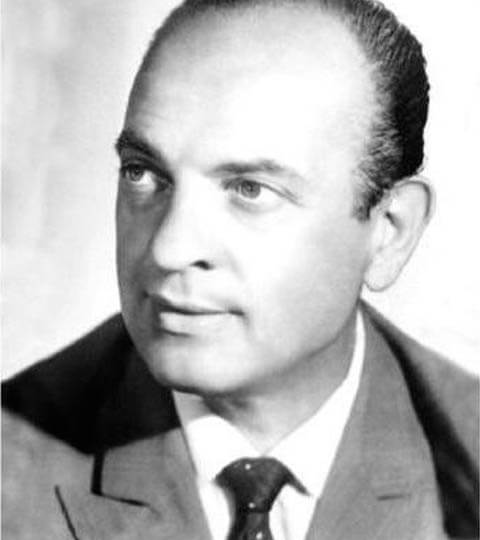
Carlos Di Sarli, circa 1945.Image credits
Carlos Di Sarli, circa 1945. Photograph by Sivul Wilenski, published in El Alma que Canta, April 1969. Wikimedia Commons; public domain (PD-AR-Photo, PD-1996).
Carlos Di Sarli was a pianist, composer and orchestra leader from Bahía Blanca. He directed from the piano, shaping an ensemble sound in which violin melody and the rhythmic support of the bandoneons work closely together. His recordings offer a way into Argentine Tango through the relationship between a clear walking pulse and a sustained musical line.
Listen for
In many of his familiar dance recordings, listen for the strings carrying a long melody while the piano connects one musical phrase to the next. Earlier and later recordings differ: these selections are starting points, not a rule that every Di Sarli recording is slow or simple.
Listen to each selection once while seated. On the second listen, notice where a musical idea settles. If you choose to walk, take small forward steps and let yourself pause comfortably. Compare the three recordings; do not assume their phrasing or tempo is identical.
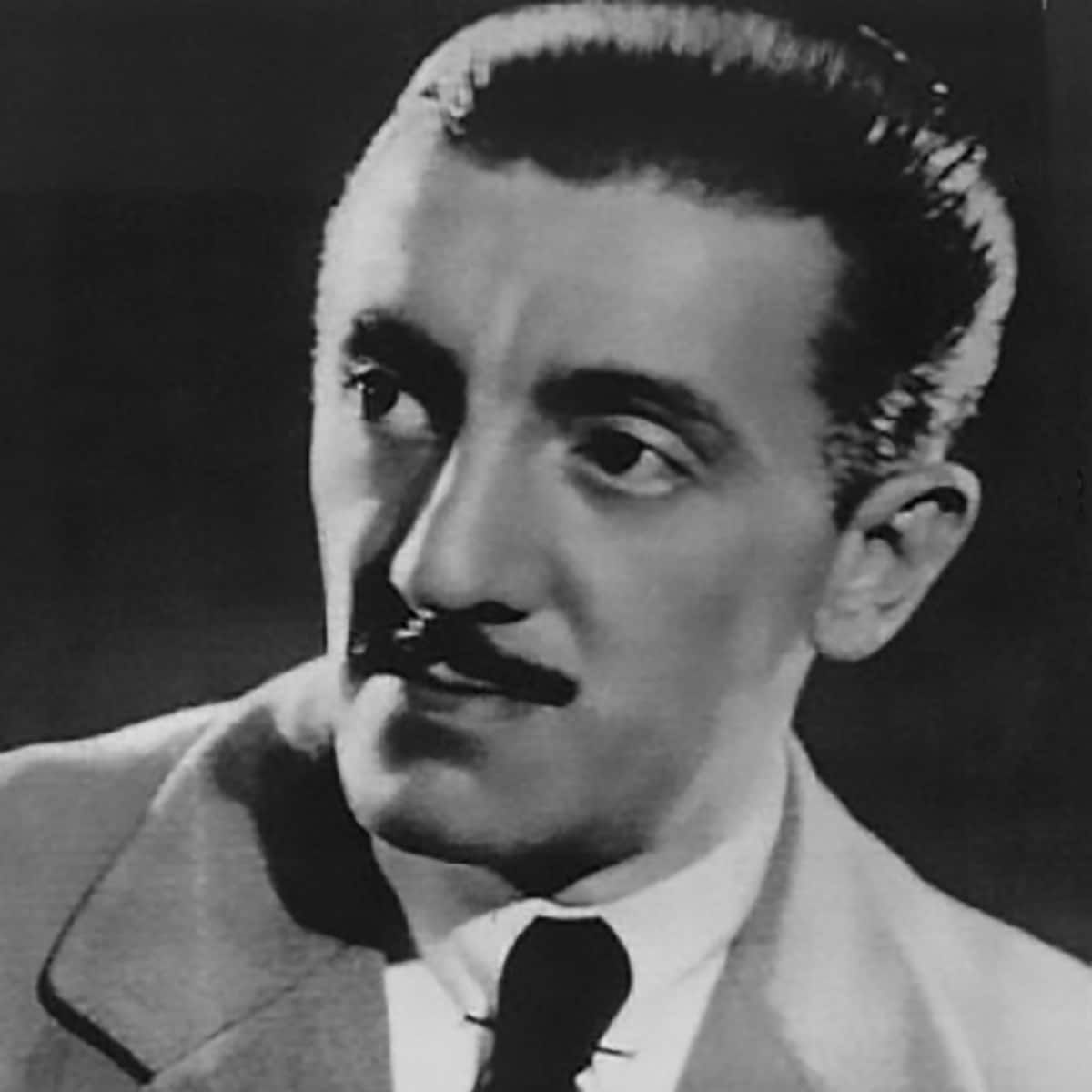
Juan D’Arienzo was a violinist and orchestra leader whose energetic dance music became especially influential from the mid-1930s. Known as El Rey del Compás—the king of the beat—he placed a strong rhythmic identity at the centre of his orchestra. Pianist Rodolfo Biagi helped shape its sound before forming his own ensemble.
Listen for
Listen for sharply marked beats, short accents and the piano’s replies. The energy can feel insistent, but you can hear the pulse without stepping on every accent. Compare individual recordings: D’Arienzo’s sound changed across a long career.
Tap a comfortable pulse through a short section. Stop tapping, listen, and return to it. Next tap every other pulse and compare the feeling. Keep any walking slow enough to stop easily; you never need fast feet to learn from a fast recording.
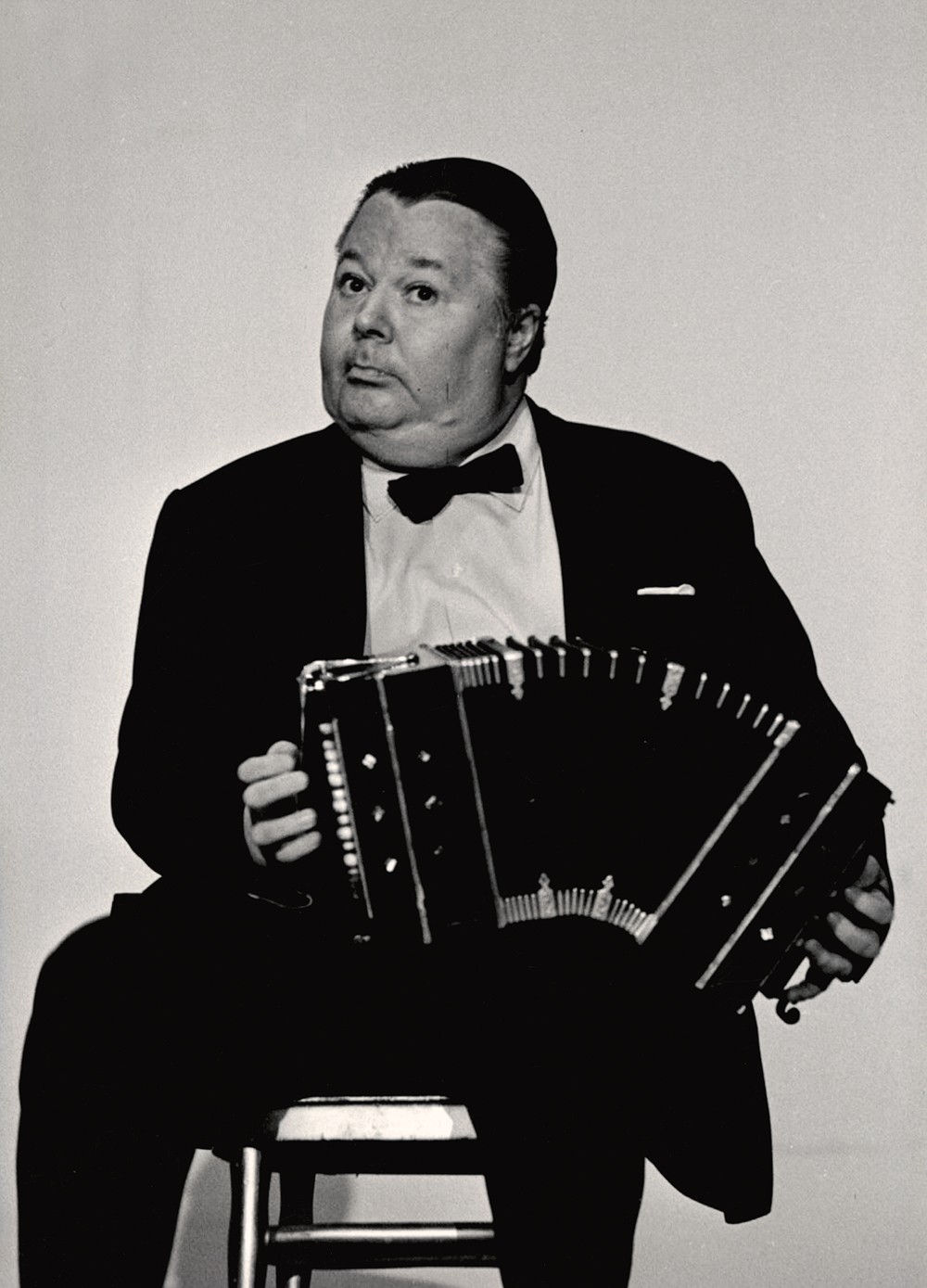
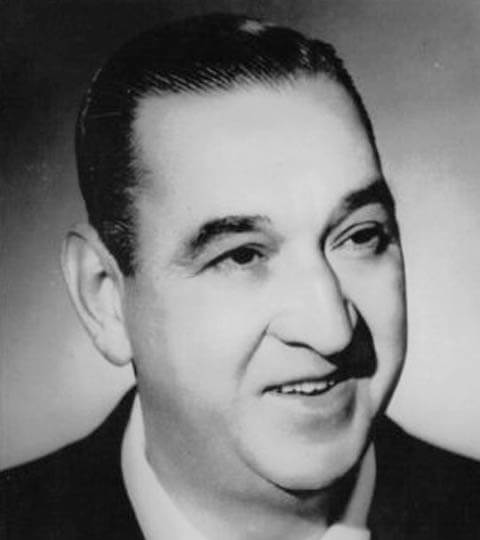
Aníbal Troilo, 1969. Photograph by Eduardo Comesaña. Museo Nacional de Bellas Artes, Argentina, inventory 11632; via Wikimedia Commons, public domain (PD-AR-Photo, PD-1996).
Listening to voice, instruments and pulse separately
Aníbal Troilo, affectionately known as Pichuco, was a bandoneon player, composer and orchestra leader from Buenos Aires. His orchestra brought instrumental playing into close conversation with singers including Francisco Fiorentino and Roberto Goyeneche. Across different periods, its recordings invite attention to the music’s pulse, melody and human voice.
Listen for
Start with the Fiorentino selection and follow the singer while listening for the accompaniment underneath. The instrumental and Goyeneche selections offer different textures. A familiar orchestra name does not mean that every recording has the same dance-floor character.
In the instrumental selection, follow one musical line; in the vocal selections, follow the singer. Listen again for the recurring pulse beneath that line. Describe one difference in your own words. Seated listening is a complete practice session.
Osvaldo Pugliese, November 1967. Unknown photographer. Archivo General de la Nación Argentina, inventory 39812; via Wikimedia Commons. Public domain in Argentina (PD-AR-Photo).
Osvaldo Pugliese was a pianist, composer and orchestra leader from Buenos Aires. His ensemble developed through sustained collaboration, with musicians including bassist Aniceto Rossi, bandoneon player Osvaldo Ruggiero and violinist Enrique Camerano contributing to its identity. Its powerful rhythmic foundation sits alongside expressive changes in musical intensity.
Listen for
In these selections, notice weight, release and changes of intensity. La Yumba is a useful invitation to hear how an accompaniment can have a recognisable character. Listening comes first; dramatic music does not require large movements, sudden stops or advanced steps.
Notice a change in energy, loudness or density in each recording. Replay that moment and trace it with a relaxed hand. If walking, use only small steps and comfortable stops; avoid freezing your knees or holding your breath to imitate a musical effect.
Born in San José de Mayo, Uruguay, Francisco Canaro became a violinist, composer and orchestra leader closely associated with Buenos Aires. His career included dance orchestras, musical theatre, broadcasting and work for composers’ rights. That range matters when listening: there is much more than one Canaro sound.
Listen for
Compare the unhurried melodic feeling of Poema with the rhythmic character of La milonga de Buenos Aires. Treat this as a comparison of two selections, rather than a description of his entire catalogue. Milonga is a related musical form with its own character.
Listen seated to each selection. Tap the main pulse with one hand and describe the difference using ordinary words: light, flowing, insistent, playful, spacious. There is no need to identify every instrument or move quickly.
Edgardo Donato was a violinist, composer and orchestra leader born in Buenos Aires and raised in Montevideo. His career connects both sides of the Río de la Plata. His dance orchestra gave space to violin solos and lively instrumental phrasing, and its singers included Horacio Lagos and Lita Morales.
Listen for
Listen for instrumental replies around the voices. The archive describes Donato’s later orchestra as more dynamic than the earlier Donato–Zerrillo ensemble, with prominent bandoneons and violin interventions. Let the actual recording guide your expectations.
Choose a short passage and follow only the voice. Replay it and follow an instrumental answer. In Sinsabor, notice when the vocal texture changes. If you walk, keep the steps small; lightness is not the same as hopping.
Osvaldo Fresedo was a bandoneon player, composer and orchestra leader from Buenos Aires, known as El Pibe de La Paternal. Across a long recording career he explored smooth melodic lines and changing instrumental colours, including harp and vibraphone in parts of his work. His singers included Roberto Ray, Ricardo Ruiz and Héctor Pacheco.
Listen for
Use these vocal selections to hear the relationship between a sustained melody and the accompaniment. The sound and instrumentation vary by period; do not expect every Fresedo recording to include harp or vibraphone. Vida Mia here credits Héctor Pacheco, not Roberto Ray.
Trace a vocal phrase in the air with a relaxed hand. On a second listen, tap the pulse gently while letting the melody continue. You can practise hearing both layers entirely seated.
Miguel Caló was a bandoneon player, composer and orchestra leader from Buenos Aires. His 1940s orchestra brought together musicians who later led their own ensembles, and its collaborations with singer Raúl Berón are a useful place to begin. Prominent violins, rhythmic bandoneons and the piano’s connecting role help shape its sound.
Listen for
These Raúl Berón selections invite you to hear a vocal line floating over an active accompaniment. Follow the strings, then return to the pulse. The emphasis here is the familiar 1940s partnership, not a claim that every Caló period sounds identical.
Hum a short vocal phrase if comfortable, then listen again for where the orchestra responds. On a third listen, tap only the main pulse. Notice how much musical detail remains without adding more steps.
Rodolfo Biagi was a pianist, composer and orchestra leader from San Telmo, Buenos Aires. After playing with Juan D’Arienzo, he formed his own orchestra in 1938. Known as Manos Brujas—bewitching hands—he developed a recognisable rhythmic piano identity across Argentine Tango, milonga and vals recordings.
Listen for
Listen for the piano and for accents that interrupt your expectation. Humillación and the vals Lágrimas y Sonrisas offer different rhythmic settings. Keep the distinction between a musical accent and a compulsory step: you may hear far more than you choose to dance.
Tap a steady pulse through a short passage. When an accent surprises you, keep listening rather than rushing to catch it. For the vals selection, try hearing groups of three with a stronger first beat; finger tapping is enough.
Ricardo Tanturi was a pianist, composer and orchestra leader from the Barracas neighbourhood of Buenos Aires. His ensemble, Los Indios, became closely associated with the voices of Alberto Castillo and, subsequently, Enrique Campos. Listening across those partnerships reveals how much a singer can change an orchestra’s character.
Listen for
Compare the vocal delivery in Así Se Baila el Tango and Una emoción. In the Campos partnership, the orchestra often provides a precise, restrained foundation around the singer. That is a useful listening clue, not a rule covering every recording.
Listen to the beginning of each selection before the voice arrives. When it enters, keep a gentle finger tap going. Notice whether your attention moves towards the words, the rhythm or an instrumental response.
Explore published DJ playlists from Tango178. These are listening archives, with original dates and credits, rather than upcoming events.
Tango Playlist Five
Amanda Hamilton 2022-10-09
Amanda Hamilton’s archived DJ playlist groups recordings by orchestra and musical form, with individual YouTube listening links. Explore selections including Orquesta Típica Víctor, Canaro, Troilo, Donato, D’Arienzo and Biagi.
Thomas Keenes’ archived guest-DJ selection pairs orchestra groups with contrasting music between sets. Follow individual YouTube links to compare Caló and Berón, Di Sarli’s vals selections, and milongas by D’Arienzo and Canaro.
Simon Haddock’s archived resident-DJ playlist brings together Argentine Tango, milonga and vals, with contrasting cortina music between sets. The page offers individual YouTube links and an opportunity to notice how a DJ changes the mood across an evening.
Listening links open on the publisher's website, Apple Music or YouTube. Availability, advertising and subscriptions depend on the service. Barrio Conexión does not host recordings.